

ਸੱਭਿਆਚਾਰ ਅਤੇ ਭਾਈਚਾਰਾ
CULTURE AND COMMUNITY
Please note: there are some minor inaccuracies in the current translations, as they are undergoing review by our partners. We appreciate your patience while we resolve these issues.
ਸੱਭਿਆਚਾਰ ਅਤੇ ਭਾਈਚਾਰਾ
ਅਪਨੇ, ਜਾਂ "ਸਾਡੇ ਲੋਕ/ਸਾਡਾ ਭਾਈਚਾਰਾ" ਦੀ ਧਾਰਨਾ ਦਾ ਅਰਥ ਸੀ ਕਿ ਲੋਕ ਦੱਖਣੀ ਏਸ਼ੀਆਈ ਭਾਈਚਾਰੇ ਦੇ ਦੂਜੇ ਮੈਂਬਰਾਂ ਨੂੰ ਲੱਭਣ ਅਤੇ ਸਮਰਥਨ ਕਰਨ ਲਈ ਇੱਕ ਖਾਸ ਯਤਨ ਕਰਦੇ ਸਨ: ਇਹ ਸਿਰਫ਼ ਤੁਹਾਡੇ ਗੁਆਂਢੀ ਨਹੀਂ ਸਨ, ਸਗੋਂ ਤੁਹਾਡੇ ਵਿਸਤ੍ਰਿਤ ਪਰਿਵਾਰ ਦੇ ਮੈਂਬਰ ਸਨ।
ਹਾਲਾਂਕਿ ਅਣਜਾਣ ਰੀਤੀ-ਰਿਵਾਜਾਂ, ਪਹਿਰਾਵੇ ਦੇ ਵੱਖੋ-ਵੱਖਰੇ ਤਰੀਕਿਆਂ ਅਤੇ ਇੱਕ ਨਵੀਂ ਭਾਸ਼ਾ ਦੇ ਅਨੁਕੂਲ ਹੋਣਾ ਮੁਸ਼ਕਲ ਸੀ, ਪਰਿਵਾਰ ਅਤੇ ਦੋਸਤਾਂ ਦੇ ਸਮਰਥਨ ਨੇ ਤਬਦੀਲੀ ਨੂੰ ਆਸਾਨ ਬਣਾਉਣ ਵਿੱਚ ਮਦਦ ਕੀਤੀ। ਜੋ ਲੋਕ ਅੰਗਰੇਜ਼ੀ ਵਿੱਚ ਬੋਲ ਅਤੇ ਲਿਖ ਸਕਦੇ ਸਨ ਉਨ੍ਹਾਂ ਨੂੰ ਸਿਖਾਉਣ ਵਿੱਚ ਮਦਦ ਕੀਤੀ ਜੋ ਨਹੀਂ ਕਰ ਸਕਦੇ ਸਨ, ਅਤੇ ਬਹੁਤ ਸਾਰੇ ਲੋਕ ਆਪਣੇ ਗੁਆਂਢੀਆਂ ਦੇ ਨਾਲ ਡਾਕਟਰ ਦੀਆਂ ਮੁਲਾਕਾਤਾਂ ਅਤੇ ਹੋਰ ਮਹੱਤਵਪੂਰਨ ਮੁਲਾਕਾਤਾਂ 'ਤੇ ਅਨੁਵਾਦਕਾਂ ਵਜੋਂ ਕੰਮ ਕਰਨ ਅਤੇ ਇਹ ਯਕੀਨੀ ਬਣਾਉਣ ਲਈ ਜਾਂਦੇ ਸਨ ਕਿ ਉਨ੍ਹਾਂ ਨੂੰ ਸਮਝਿਆ ਜਾਵੇ।
ਅਪਨੇ ਸੇਵਾ ਦੇ ਸਿਧਾਂਤ, ਜਾਂ ਸੇਵਾ ਦੇ ਨਿਰਸਵਾਰਥ ਕਾਰਜਾਂ ਨਾਲ ਨੇੜਿਓਂ ਜੁੜਿਆ ਹੋਇਆ ਹੈ। ਇਹ ਸਿੱਖ ਸੱਭਿਆਚਾਰ ਦੀਆਂ ਮੁੱਖ ਵਿਸ਼ੇਸ਼ਤਾਵਾਂ ਵਿੱਚੋਂ ਇੱਕ ਹੈ, ਜੋ ਕਿ ਦੱਖਣੀ ਏਸ਼ੀਆਈ ਪ੍ਰਵਾਸੀਆਂ ਨੂੰ ਕੈਨੇਡਾ ਵਿੱਚ ਜੀਵਨ ਵਿੱਚ ਸਥਾਪਤ ਹੋਣ ਵਿੱਚ ਮਦਦ ਕਰਨ ਲਈ ਅਨਿੱਖੜਵਾਂ ਸੀ। ਜਦੋਂ ਕੋਈ ਪਰਿਵਾਰ ਨਵਾਂ ਹੁੰਦਾ ਸੀ ਜਾਂ ਸੰਕਟ ਵਿੱਚ ਹੁੰਦਾ ਸੀ, ਤਾਂ ਉਨ੍ਹਾਂ ਦੇ ਆਲੇ ਦੁਆਲੇ ਦੇ ਲੋਕਾਂ ਦਾ ਨੈੱਟਵਰਕ ਇਕੱਠੇ ਹੋ ਕੇ ਪੈਸੇ, ਭੋਜਨ ਅਤੇ ਹੋਰ ਜੋ ਵੀ ਲੋੜੀਂਦਾ ਹੁੰਦਾ ਸੀ ਸਪਲਾਈ ਕਰਦਾ ਸੀ।
ਸੇਵਾ ਨੂੰ ਗੁਆਂਢੀ ਦੀ ਜਾਤੀ ਦੀ ਪਰਵਾਹ ਕੀਤੇ ਬਿਨਾਂ ਵਧਾਇਆ ਗਿਆ, ਅਤੇ ਕਾਉਵਿਚਨ ਝੀਲ ਦੇ ਆਲੇ ਦੁਆਲੇ ਦੇ ਕਸਬਿਆਂ ਦੇ ਵਧਣ ਨਾਲ ਮਹੱਤਵਪੂਰਨ ਸਹਾਇਤਾ ਪ੍ਰਦਾਨ ਕੀਤੀ ਗਈ। ਸਮੇਂ ਦੇ ਨਾਲ, ਇਸਨੇ ਦੱਖਣੀ ਏਸ਼ੀਆਈ ਕੈਨੇਡੀਅਨਾਂ ਨੂੰ ਆਪਣੇ ਭਾਈਚਾਰਿਆਂ ਦੇ ਅੰਦਰ ਨੇੜਿਓਂ ਏਕੀਕ੍ਰਿਤ ਹੋਣ ਵਿੱਚ ਮਦਦ ਕੀਤੀ। ਜਦੋਂ ਕਿ ਕੋਈ ਮਿਆਰੀ ਤਜਰਬਾ ਨਹੀਂ ਹੈ, ਅਤੇ ਵਿਤਕਰਾ ਅਜੇ ਵੀ ਮੌਜੂਦ ਹੈ (ਖਾਸ ਕਰਕੇ ਵੱਡੇ ਸ਼ਹਿਰਾਂ ਵਿੱਚ), ਬਹੁਤ ਸਾਰੇ ਨਿਵਾਸੀ ਆਪਣੇ ਗੋਰੇ ਅਤੇ ਦੱਖਣੀ ਏਸ਼ੀਆਈ ਗੁਆਂਢੀਆਂ ਵਿਚਕਾਰ ਸਦਭਾਵਨਾ ਨੂੰ ਯਾਦ ਕਰਦੇ ਹਨ।
ਅਪਨੇ ਨੇ ਰੋਜ਼ਾਨਾ ਜੀਵਨ ਦਾ ਇੱਕ ਮਹੱਤਵਪੂਰਨ ਹਿੱਸਾ ਵੀ ਬਣਾਇਆ, ਹਾਲਾਂਕਿ ਇਹ ਮਰਦਾਂ ਅਤੇ ਔਰਤਾਂ ਵਿਚਕਾਰ ਵੱਖਰਾ ਦਿਖਾਈ ਦਿੰਦਾ ਸੀ। ਔਰਤਾਂ ਲਈ, ਜਿਨ੍ਹਾਂ ਵਿੱਚੋਂ ਬਹੁਤ ਸਾਰੀਆਂ ਘਰ ਤੋਂ ਬਾਹਰ ਕੰਮ ਨਹੀਂ ਕਰਦੀਆਂ ਸਨ, ਭਾਈਚਾਰਾ ਇੱਕ ਜ਼ਰੂਰੀ ਸਹਾਇਤਾ ਨੈੱਟਵਰਕ ਸੀ ਜੋ ਅਲੱਗ-ਥਲੱਗਤਾ ਦੀਆਂ ਭਾਵਨਾਵਾਂ ਨੂੰ ਰੋਕਦਾ ਸੀ। ਇੱਕ ਵਾਰ ਜਦੋਂ ਦਿਨ ਦਾ ਘਰੇਲੂ ਕੰਮ ਖਤਮ ਹੋ ਜਾਂਦਾ ਸੀ, ਤਾਂ ਔਰਤਾਂ ਗੁਆਂਢੀਆਂ ਅਤੇ ਦੋਸਤਾਂ ਦੇ ਘਰਾਂ ਵਿੱਚ ਚਾਹ, ਨੱਚਣ, ਸਿਲਾਈ ਅਤੇ ਹੱਥੀਂ ਕੰਮ ਲਈ ਮਿਲਦੀਆਂ ਸਨ।
ਮਰਦਾਂ ਲਈ, ਕੰਮ 'ਤੇ ਬਣੇ ਸਬੰਧਾਂ ਨੇ ਸਰੀਰਕ ਮਿਹਨਤ ਦੀ ਮੁਸ਼ਕਲ ਨੂੰ ਘੱਟ ਕਰਨ ਵਿੱਚ ਮਦਦ ਕੀਤੀ, ਅਤੇ ਔਰਤਾਂ ਅਤੇ ਬੱਚਿਆਂ ਦੇ ਪਰਵਾਸ ਕਰਨ ਦੇ ਯੋਗ ਹੋਣ ਤੋਂ ਪਹਿਲਾਂ ਸ਼ੁਰੂਆਤੀ ਦਿਨਾਂ ਵਿੱਚ ਸਾਥ ਪ੍ਰਦਾਨ ਕੀਤਾ। ਇਹ ਦੋਸਤੀਆਂ ਕਾਇਮ ਰਹੀਆਂ, ਅਤੇ ਇੱਕ ਮਜ਼ਬੂਤ ਭਾਈਚਾਰੇ ਦਾ ਆਧਾਰ ਬਣਾਇਆ।
ਇਹ ਨੇੜਤਾ ਬਹੁਤ ਸਾਰੇ ਸਿੱਖਾਂ ਦੁਆਰਾ ਸਾਂਝੇ ਕੀਤੇ ਗਏ ਸੈਕੰਡਰੀ ਨਾਵਾਂ ਵਿੱਚ ਵੀ ਪਾਈ ਜਾ ਸਕਦੀ ਹੈ: ਮਰਦਾਂ ਲਈ ਸਿੰਘ (ਸ਼ੇਰ) ਅਤੇ ਔਰਤਾਂ ਲਈ ਕੌਰ (ਰਾਜਕੁਮਾਰੀ), ਦੋਵੇਂ ਸਿੱਖ ਬਪਤਿਸਮੇ ਦੁਆਰਾ ਦਿੱਤੀ ਗਈ ਸਮਾਨਤਾ ਦਾ ਪ੍ਰਤੀਕ ਹਨ। ਹਾਲਾਂਕਿ ਅਕਸਰ ਇਹ ਉਮੀਦ ਕੀਤੀ ਜਾਂਦੀ ਸੀ ਕਿ ਪ੍ਰਵਾਸੀ ਪੱਛਮੀ ਨਾਮਕਰਨ ਪਰੰਪਰਾਵਾਂ ਨੂੰ ਅਪਣਾਉਂਦੇ ਹਨ ਅਤੇ ਇੱਕ ਰਸਮੀ ਉਪਨਾਮ ਲੈਂਦੇ ਹਨ, ਬਹੁਤ ਸਾਰੇ ਲੋਕਾਂ ਨੇ ਸਿੰਘ ਜਾਂ ਕੌਰ ਨੂੰ ਵਿਚਕਾਰਲੇ ਨਾਮਾਂ ਵਜੋਂ ਰੱਖਿਆ। ਇਹ ਨਾਮ ਅੱਜ ਵੀ ਵਰਤੇ ਜਾਂਦੇ ਹਨ, ਸੱਭਿਆਚਾਰਕ ਵਿਰਾਸਤ ਦੀ ਮਾਨਤਾ ਅਤੇ ਮਿਟਾਉਣ ਦੇ ਵਿਰੁੱਧ ਵਿਰੋਧ ਵਜੋਂ।
ਅਪਨੇ ਅਤੇ ਸੇਵਾ ਦੋਵੇਂ ਪਹੇਲੀਆਂ ਦੇ ਟੁਕੜੇ ਹਨ ਜੋ ਡੂੰਘੇ ਆਪਸ ਵਿੱਚ ਜੁੜੇ ਹੋਣ ਦੇ ਸੱਭਿਆਚਾਰ ਵਿੱਚ ਫਿੱਟ ਬੈਠਦੇ ਹਨ ਜੋ ਅਜੇ ਵੀ ਕੈਨੇਡਾ ਭਰ ਦੇ ਦੱਖਣੀ ਏਸ਼ੀਆਈ ਭਾਈਚਾਰਿਆਂ ਵਿੱਚ ਮੌਜੂਦ ਹੈ ਅਤੇ ਸਾਡੇ ਇਤਿਹਾਸ ਵਿੱਚ ਇੱਕ ਮਹੱਤਵਪੂਰਨ ਭੂਮਿਕਾ ਨਿਭਾਉਂਦੇ ਰਹਿੰਦੇ ਹਨ, ਜਿਵੇਂ ਕਿ ਇਸ ਪ੍ਰਦਰਸ਼ਨੀ ਵਿੱਚ ਯੋਗਦਾਨ ਪਾਉਣ ਵਾਲੇ ਬਹੁਤ ਸਾਰੇ ਭਾਈਚਾਰੇ ਦੇ ਮੈਂਬਰਾਂ ਦੁਆਰਾ ਦਿਖਾਇਆ ਗਿਆ ਹੈ।
Culture and Community
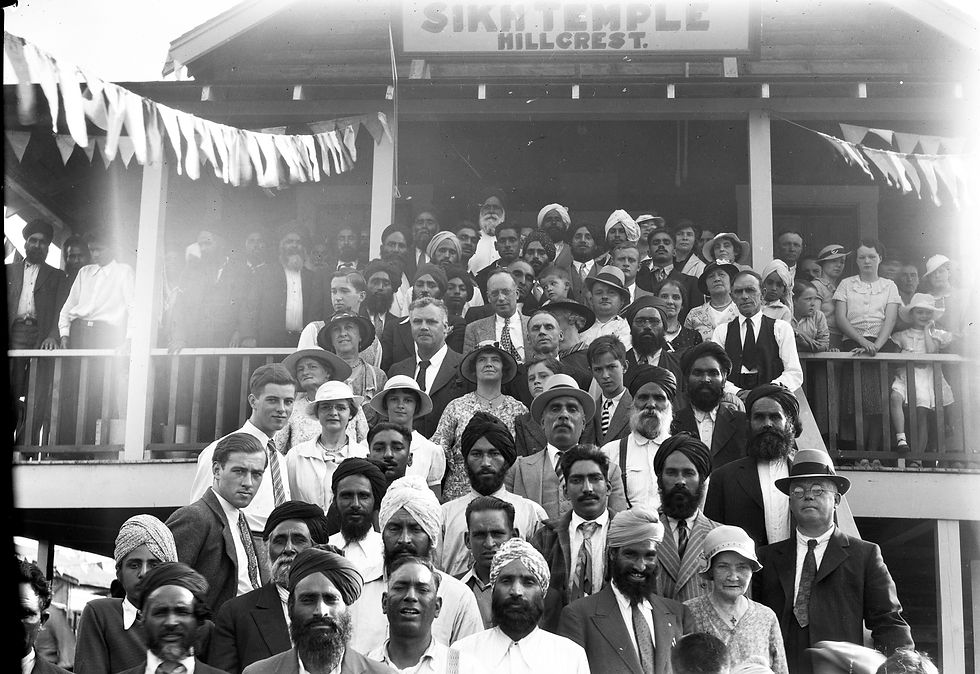
The concept of apnay, or “our people/our community” meant that people made a specific effort to seek out and support other members of the South Asian community: these were not just your neighbours, but members of your extended family.
Although it was difficult to adjust to unfamiliar customs, different ways of dressing, and a new language, support from family and friends helped make the transition easier. Those who could speak and write in English helped teach those who couldn’t, and there are many instances of people accompanying their neighbours to doctor’s appointments and other important visits to act as translators and ensure they were understood.
Apnay is closely tied to the principle of seva, or selfless acts of service. This is one of the major characteristics of Sikh culture, which was integral to helping South Asian immigrants settle into life in Canada. When a family was new or in crisis, the network of people around them would rally together to supply money, food, and whatever else was needed.
Seva was extended regardless of a neighbor’s ethnicity, and provided important support as the towns around the Cowichan Lake grew. Over time, this helped South Asian Canadians become closely integrated within their communities. While there is no standard experience, and discrimination still existed (particularly in large cities), many residents recall harmony between their White and South Asian neighbours.
Apnay also formed an important part of day-to-day life, although this looked different between men and women. For women, many of whom did not work outside of the home, community was an essential support network that prevented feelings of isolation. Once the day’s domestic was finished, women met for tea, dancing, sewing, and handiwork at the homes of neighbours and friends.
For men, the connections made at work helped to ease the hardship of physical labour, and provided companionship in the early days before women and children were able to immigrate. These friendships endured, and formed the basis of a tight-knit community.
This closeness can also be found in the secondary names shared by many Sikhs: Singh (lion) for men and Kaur (princess) for women, both symbolic of the equality given by a Sikh baptism. Although there was often an expectation that immigrants adopt Western naming conventions and take on a formal surname, many people kept Singh or Kaur as middle names. These names continue to be used today, as a recognition of cultural heritage and resistance against erasure.
Both apnay and seva are puzzle pieces that fit into a culture of deep interconnectedness which is still present in South Asian communities across Canada and continues to play an important role in our history, as shown by the many community members who contributed to this exhibit.

Food & Cooking ਭੋਜਨ ਅਤੇ ਖਾਣਾ ਪਕਾਉਣਾ ਪਰਿਵਾਰਕ ਬਗੀਚਿਆਂ ਤੋਂ ਉਪਜ ਸਾਂਝੀ ਕਰਨਾ ਆਮ ਗੱਲ ਸੀ, ਅਤੇ ਖਾਣਾ ਪਕਾਉਣਾ ਅਕਸਰ ਔਰਤਾਂ ਲਈ ਇੱਕ ਸਮੂਹਿਕ ਗਤੀਵਿਧੀ ਹੁੰਦੀ ਸੀ - ਖਾਸ ਕਰਕੇ ਤਿਉਹਾਰਾਂ ਦੇ ਦਿਨਾਂ ਵਿੱਚ। ਲੋਕ ਆਪਣੇ ਸਥਾਨਕ ਗੁਰਦੁਆਰੇ (ਸਿੱਖ ਮੰਦਿਰ) ਵਿੱਚ ਲੰਗਰ ਵਜੋਂ ਜਾਣੇ ਜਾਂਦੇ ਸਮੂਹਿਕ ਭੋਜਨ ਲਈ ਵੀ ਮਿਲਦੇ ਸਨ। ਸ਼ੁਰੂ ਵਿੱਚ, ਕੈਨੇਡਾ ਵਿੱਚ ਨਾ ਉੱਗਣ ਵਾਲੀਆਂ ਸਮੱਗਰੀਆਂ ਦੀ ਸੋਰਸਿੰਗ ਮੁਸ਼ਕਲ ਸੀ। ਕੈਨੇਡੀਅਨ ਪਕਵਾਨ ਦੱਖਣੀ ਏਸ਼ੀਆਈ ਖਾਣਾ ਪਕਾਉਣ ਵਿੱਚ ਆਮ ਤੌਰ 'ਤੇ ਵਰਤੇ ਜਾਂਦੇ ਬਹੁਤ ਸਾਰੇ ਮਸਾਲਿਆਂ ਦੀ ਵਰਤੋਂ ਨਹੀਂ ਕਰਦੇ ਸਨ, ਇਸ ਲਈ ਕਰਿਆਨੇ ਦੀਆਂ ਦੁਕਾਨਾਂ ਆਮ ਤੌਰ 'ਤੇ ਉਨ੍ਹਾਂ ਦਾ ਭੰਡਾਰ ਨਹੀਂ ਕਰਦੀਆਂ ਸਨ। ਜਦੋਂ ਕਿਸੇ ਨੂੰ ਇਨ੍ਹਾਂ ਸਮੱਗਰੀਆਂ ਵਾਲਾ ਸਟੋਰ ਮਿਲਦਾ ਸੀ ਤਾਂ ਇਹ ਗੱਲ ਤੇਜ਼ੀ ਨਾਲ ਫੈਲ ਜਾਂਦੀ ਸੀ, ਅਤੇ ਉਹ ਅਕਸਰ ਦਿਨਾਂ ਵਿੱਚ ਵਿਕ ਜਾਂਦੇ ਸਨ। ਆਪਣੇ ਭਾਈਚਾਰਿਆਂ ਵਿੱਚ ਇਸ ਲੋੜ ਨੂੰ ਦੇਖਦਿਆਂ, ਸੁਖਦੇਵ ਧਾਲੀਵਾਲ ਵਰਗੇ ਉੱਦਮੀਆਂ ਨੇ ਸਟੋਰ ਖੋਲ੍ਹੇ ਜੋ ਦੱਖਣੀ ਏਸ਼ੀਆਈ ਖਾਣਾ ਪਕਾਉਣ ਲਈ ਲੋੜੀਂਦੀਆਂ ਵਿਸ਼ੇਸ਼ ਸਮੱਗਰੀਆਂ ਵੇਚਦੇ ਸਨ। ਇੱਕ ਖੁਸ਼ਹਾਲ ਉਪ-ਉਤਪਾਦ ਦੇ ਰੂਪ ਵਿੱਚ, ਇਹ ਭੋਜਨ ਭਾਈਚਾਰੇ ਤੋਂ ਬਾਹਰ ਦੇ ਲੋਕਾਂ ਵਿੱਚ ਵੀ ਪ੍ਰਸਿੱਧ ਹੋ ਗਏ, ਅਤੇ ਸੱਭਿਆਚਾਰਕ ਪਾੜੇ ਨੂੰ ਪੂਰਾ ਕਰਨ ਵਿੱਚ ਮਦਦ ਕੀਤੀ। ________________________ Sharing the produce from family gardens was common, and cooking was often a group activity for women—especially on festival days. People would also meet up for group meals known as langar at their local gurdwara (Sikh temple). Initially, sourcing ingredients that did not grow in Canada was difficult. Canadian cuisine didn’t use many of the spices common in South Asian cooking, so grocery stores generally didn’t stock them. Word spread fast when someone found a store with these ingredients, and they often sold out in days. Seeing this need in their communities, entrepreneurs like Sukhdev Dhalliwal opened stores that sold the specialty ingredients needed for South Asian cooking. As a happy byproduct, these foods became popular with those outside of the community as well, and helped to bridge cultural gaps.

Religious Life ਧਾਰਮਿਕ ਜੀਵਨ 1960 ਦੇ ਦਹਾਕੇ ਤੱਕ, ਜ਼ਿਆਦਾਤਰ (ਪਰ ਸਾਰੇ ਨਹੀਂ) ਦੱਖਣੀ ਏਸ਼ੀਆਈ ਕੈਨੇਡੀਅਨ ਸਿੱਖ ਸਨ। ਸਿੱਖ ਧਰਮ ਇੱਕ ਧਾਰਮਿਕ ਪ੍ਰਣਾਲੀ ਹੈ ਜੋ ਰੋਜ਼ਾਨਾ ਜੀਵਨ ਵਿੱਚ ਬੁਣਿਆ ਹੋਇਆ ਹੈ, ਜਿਸਦਾ ਅੰਸ਼ਕ ਤੌਰ 'ਤੇ ਗ੍ਰੰਥ ਸਾਹਿਬ ਪਵਿੱਤਰ ਗ੍ਰੰਥ ਦਾ ਧੰਨਵਾਦ ਹੈ ਜੋ ਦਿਨ ਭਰ ਆਪਣੇ ਵਿਚਾਰਾਂ ਵਿੱਚ ਵਿਸ਼ਵਾਸ ਬਣਾਈ ਰੱਖਣ ਲਈ ਕੰਮ ਕਰਦੇ ਹੋਏ ਬਾਣੀ ਗਾਉਣ ਦੀ ਸਿੱਖਿਆ ਦਿੰਦਾ ਹੈ। ਗੁਰਦੁਆਰੇ ਵਿੱਚ ਵਾਰ-ਵਾਰ ਜਾਣਾ ਵੀ ਮਹੱਤਵਪੂਰਨ ਹੈ। ਗੁਰਦੁਆਰੇ ਨਾ ਸਿਰਫ਼ ਪੂਜਾ ਸਥਾਨਾਂ ਵਜੋਂ ਕੰਮ ਕਰਦੇ ਹਨ, ਸਗੋਂ ਸਾਂਝੇ ਸਥਾਨਾਂ ਵਜੋਂ ਵੀ ਕੰਮ ਕਰਦੇ ਹਨ ਜਿੱਥੇ ਕੋਈ ਲੰਗਰ ਹਾਲ ਵਿੱਚ ਭੋਜਨ ਪ੍ਰਾਪਤ ਕਰ ਸਕਦਾ ਹੈ, ਜਾਂ ਮੀਟਿੰਗਾਂ ਅਤੇ ਸਮਾਰੋਹ ਕਰਵਾ ਸਕਦਾ ਹੈ। ਕੁਝ ਸਿੱਖ ਪੰਜਾਂ ਕਸਾਂ ਵਿੱਚੋਂ ਕੁਝ ਜਾਂ ਸਾਰੇ ਪਹਿਨ ਕੇ ਅਤੇ ਚੁੱਕ ਕੇ ਆਪਣੇ ਵਿਸ਼ਵਾਸ ਦਾ ਪ੍ਰਗਟਾਵਾ ਕਰਦੇ ਹਨ: ਕੇਸ਼ (ਕੱਟੇ ਹੋਏ ਵਾਲ), ਕੰਘਾ (ਲੱਕੜ ਦੀ ਕੰਘੀ), ਕੜਾ (ਸਟੀਲ ਜਾਂ ਲੋਹੇ ਦਾ ਕੰਗਣ), ਕਚੀਰਾ (ਕਪਾਹ ਦੇ ਅੰਡਰਸ਼ਾਰਟ), ਅਤੇ ਕਿਰਪਾਨ (ਛੋਟੀ ਰਸਮੀ ਤਲਵਾਰ ਜਾਂ ਖੰਜਰ)। ਬਹੁਤ ਸਾਰੇ ਸਿੱਖ ਨਿਮਰਤਾ, ਵਿਹਾਰਕਤਾ ਅਤੇ ਆਪਣੇ ਵਿਸ਼ਵਾਸ ਦੇ ਪ੍ਰਤੀਕ ਵਜੋਂ ਸਿਰ ਢੱਕਣ ਵੀ ਪਹਿਨਦੇ ਹਨ। ________________________ Until around the 1960s, most (but not all) South Asian Canadians were Sikhs. Sikhism is a religious system woven into everyday life, thanks in part to the Granth Sahib holy book that teaches verses to be sung while working to keep faith in one's thoughts throughout the day. Frequent visits to the gurdwara are also important. Gurdwaras serve not only as places of worship, but also as communal spaces where one can receive food in the langar hall, or hold meetings and ceremonies. Some Sikhs express their faith by wearing and carrying some or all of the five Ks: kesh (uncut hair), kangha (wooden comb), kara (steel or iron bracelet), kachira (cotton undershorts), and kirpan (small ceremonial sword or dagger). Many Sikhs also wear head coverings for modesty, practicality, and as a symbol of their faith.

Holidays & Celebrations ਛੁੱਟੀਆਂ ਅਤੇ ਜਸ਼ਨ ਸਾਰੇ ਇਕੱਠ ਧਾਰਮਿਕ ਪ੍ਰਕਿਰਤੀ ਦੇ ਨਹੀਂ ਸਨ, ਪਰ ਬਹੁਤ ਸਾਰੇ ਵਿੱਚ ਇਲਾਕੇ ਦੇ ਪੁਜਾਰੀ (ਗ੍ਰੰਥੀ) ਦੀ ਅਗਵਾਈ ਵਿੱਚ ਸਮੂਹਿਕ ਪ੍ਰਾਰਥਨਾ (ਅਰਦਾਸ) ਸ਼ਾਮਲ ਸੀ। ਇਹ ਜਸ਼ਨ ਆਮ ਤੌਰ 'ਤੇ ਸ਼ਹਿਰ ਦੇ ਗੁਰਦੁਆਰੇ ਵਿੱਚ ਆਯੋਜਿਤ ਕੀਤੇ ਜਾਂਦੇ ਸਨ, ਜਿਸਨੂੰ ਅੰਦਰ ਅਤੇ ਬਾਹਰ ਚਮਕਦਾਰ ਢੰਗ ਨਾਲ ਸਜਾਇਆ ਗਿਆ ਸੀ। ਵਿਸਾਖੀ, ਪਾਲਦੀ ਦਾ ਜੋਰ ਮੇਲਾ ਤਿਉਹਾਰ, ਅਤੇ ਭਾਰਤ ਦੇ ਸੁਤੰਤਰਤਾ ਦਿਵਸ ਵਰਗੇ ਜਸ਼ਨ ਦੇ ਦਿਨ ਪੂਰੇ ਬੀ.ਸੀ. ਵਿੱਚ ਦੱਖਣੀ ਏਸ਼ੀਆਈ ਭਾਈਚਾਰੇ ਲਈ ਬਹੁਤ ਮਹੱਤਵਪੂਰਨ ਸਨ। ਪਰਿਵਾਰ ਮੇਸਾਚੀ ਝੀਲ, ਪਾਲਦੀ ਅਤੇ ਵਿਕਟੋਰੀਆ ਵਿੱਚ ਆਯੋਜਿਤ ਸਮਾਰੋਹਾਂ ਵਿੱਚ ਸ਼ਾਮਲ ਹੋਣ ਲਈ ਦੂਰ-ਦੁਰਾਡੇ ਤੋਂ ਮੁੱਖ ਭੂਮੀ ਤੱਕ ਯਾਤਰਾ ਕਰਦੇ ਸਨ। ਖੇਡਾਂ, ਗਾਉਣਾ ਅਤੇ ਨੱਚਣਾ ਕੁਝ ਹੋਰ ਗਤੀਵਿਧੀਆਂ ਸਨ, ਨਾਲ ਹੀ ਸਾਂਝੇ ਭੋਜਨ ਦੀ ਵੰਡ ਵੀ। ਔਰਤਾਂ ਸਵੇਰੇ ਜਲਦੀ ਤਿਆਰੀ ਸ਼ੁਰੂ ਕਰਨ ਲਈ ਮਿਲਦੀਆਂ ਸਨ, ਅਕਸਰ ਬੱਚਿਆਂ ਦੀ ਮਦਦ ਨਾਲ, ਜਿਵੇਂ ਕਿ ਉਹ ਸਮਾਂ ਪਾਸ ਕਰਨ ਵਿੱਚ ਮਦਦ ਕਰਨ ਲਈ ਇੱਕ ਦੂਜੇ ਨੂੰ ਗਾਉਂਦੀਆਂ ਸਨ। ਜਿਵੇਂ ਕਿ ਕੁਝ ਲੋਕਾਂ ਨੇ ਕਿਹਾ ਹੈ, ਇਹ ਖੁਦ ਵਿਰਾਸਤ ਦਾ ਜਸ਼ਨ ਸੀ। ________________________ Not all gatherings were religious in nature, but many included group prayers (ardas) led by the area’s priest (granthi). These celebrations were typically held in the town’s gurdwara, which was brightly decorated inside and out. Celebration days such as Vaisakhi, Paldi’s Jor Mela festival, and India Independence Day were hugely important to the South Asian community across BC. Families would travel from as far away as the mainland to attend ceremonies held at Mesachie Lake, Paldi, and Victoria. Sports, singing, and dancing were just some of the other activities, alongside the sharing of communal meals. Women would meet early in the morning to begin preparing, often with help from the children, as they sang to each other to help pass the time. As some have said, this itself was a celebration of heritage.

Clothing & Culture ਕੱਪੜੇ ਅਤੇ ਸੱਭਿਆਚਾਰ ਮਰਦਾਂ ਅਤੇ ਔਰਤਾਂ ਦੋਵਾਂ ਲਈ ਰਵਾਇਤੀ ਰੋਜ਼ਾਨਾ ਦੇ ਕੱਪੜਿਆਂ ਵਿੱਚ ਕਮੀਜ਼ ਟਿਊਨਿਕ ਅਤੇ ਢਿੱਲੀ ਸਲਵਾਰ ਬੌਟਮ, ਔਰਤਾਂ ਲਈ ਦੁਪੱਟਾ ਸਿਰ ਦਾ ਸਕਾਰਫ਼ ਅਤੇ ਮਰਦਾਂ ਲਈ ਪੱਗ ਸ਼ਾਮਲ ਹੁੰਦੀ ਹੈ। ਹਾਲਾਂਕਿ, ਜਿੱਥੇ ਸੱਭਿਆਚਾਰਕ ਪਹਿਰਾਵਾ ਕੁਝ ਲੋਕਾਂ ਲਈ ਆਰਾਮਦਾਇਕ ਸੀ, ਉੱਥੇ ਦੂਜਿਆਂ ਨੇ ਤਰਜੀਹ ਜਾਂ ਵਿਤਕਰੇ ਦੇ ਦਬਾਅ ਕਾਰਨ ਪੱਛਮੀ ਸ਼ੈਲੀ ਦੇ ਕੱਪੜੇ ਪਹਿਨੇ। ਕੁਝ ਔਰਤਾਂ ਨੇ ਪਾਇਆ ਕਿ ਇਹ ਸਭ ਤੋਂ ਔਖੇ ਪਰਿਵਰਤਨਾਂ ਵਿੱਚੋਂ ਇੱਕ ਸੀ, ਖਾਸ ਕਰਕੇ ਧਾਰਮਿਕ ਸੈਟਿੰਗਾਂ ਜਿਵੇਂ ਕਿ ਗੁਰਦੁਆਰੇ ਵਿੱਚ ਜਿੱਥੇ ਪਹਿਰਾਵੇ ਨੇ ਉਨ੍ਹਾਂ ਨੂੰ ਬਹੁਤ ਜ਼ਿਆਦਾ ਉਜਾਗਰ ਮਹਿਸੂਸ ਕਰਵਾਇਆ। ਦੂਜਿਆਂ ਲਈ, ਕੱਪੜੇ ਬਦਲਣ ਨਾਲ ਉਨ੍ਹਾਂ ਦੇ ਨਵੇਂ ਦੇਸ਼ ਵਿੱਚ ਰਲਣ ਅਤੇ ਇਸਦੇ ਰੀਤੀ-ਰਿਵਾਜਾਂ ਨੂੰ ਸਵੀਕਾਰ ਕਰਨ ਦੀ ਇੱਛਾ ਦਿਖਾਉਣ ਦਾ ਇੱਕ ਸਵਾਗਤਯੋਗ ਤਰੀਕਾ ਸੀ। ਮਰਦਾਂ ਲਈ, ਪੱਗਾਂ ਅਕਸਰ ਉਨ੍ਹਾਂ ਨੂੰ ਕੰਮ ਵਾਲੀ ਥਾਂ ਅਤੇ ਸਮਾਜਿਕ ਸੈਟਿੰਗਾਂ ਵਿੱਚ ਵਿਤਕਰੇ ਦਾ ਨਿਸ਼ਾਨਾ ਬਣਾਉਂਦੀਆਂ ਸਨ। ਕੁਝ ਨੇ ਆਪਣੀਆਂ ਪੱਗਾਂ ਉਤਾਰ ਦਿੱਤੀਆਂ ਅਤੇ ਆਪਣੇ ਵਾਲ ਕੱਟ ਦਿੱਤੇ, ਜਦੋਂ ਕਿ ਦੂਜਿਆਂ ਨੇ IWA ਅਤੇ ਹੋਰ ਅਧਿਕਾਰ ਅੰਦੋਲਨਾਂ ਦੇ ਸਮਰਥਨ ਨਾਲ ਲੜਾਈ ਲੜੀ। ________________________ Traditional day-to-day clothing for both men and women consists of a kameez tunic and loose salwar bottoms, alongside a dupatta headscarf for women and a turban for men. However, where cultural dress was comforting to some, others wore western-style clothing due to preference or pressure from discrimination. Some women found that this was one of the hardest transitions, particularly in religious settings like the gurdwara where dresses made them feel too exposed. To others, the change of clothing was a welcome way of showing their willingness to blend into their new country and accept its customs. For men, turbans often made them a target for discrimination in workplace and social settings. Some removed their turbans and cut their hair, while others fought back with the support of the IWA and other rights movements.