

ਝੀਲ 'ਤੇ ਜ਼ਿੰਦਗੀ
LIFE ON THE LAKE
Please note: there are some minor inaccuracies in the current translations, as they are undergoing review by our partners. We appreciate your patience while we resolve these issues.
ਝੀਲ 'ਤੇ ਜ਼ਿੰਦਗੀ
ਇਹ ਨੋਟਸ ਅਤੇ ਫੋਟੋਆਂ ਦੱਖਣੀ ਏਸ਼ੀਆਈ ਭਾਈਚਾਰੇ ਦੇ ਮੈਂਬਰਾਂ ਦੁਆਰਾ ਦਿੱਤੀਆਂ ਗਈਆਂ ਹਨ ਜੋ ਪੀੜ੍ਹੀਆਂ ਤੋਂ ਕਾਉਵਿਚਨ ਝੀਲ ਖੇਤਰ ਦੇ ਆਲੇ-ਦੁਆਲੇ ਰਹਿੰਦੇ ਅਤੇ ਕੰਮ ਕਰਦੇ ਆਏ ਹਨ।
Life on the Lake
These notes and photos were contributed by South Asian community members who have lived and worked around the Cowichan Lake area for generations.


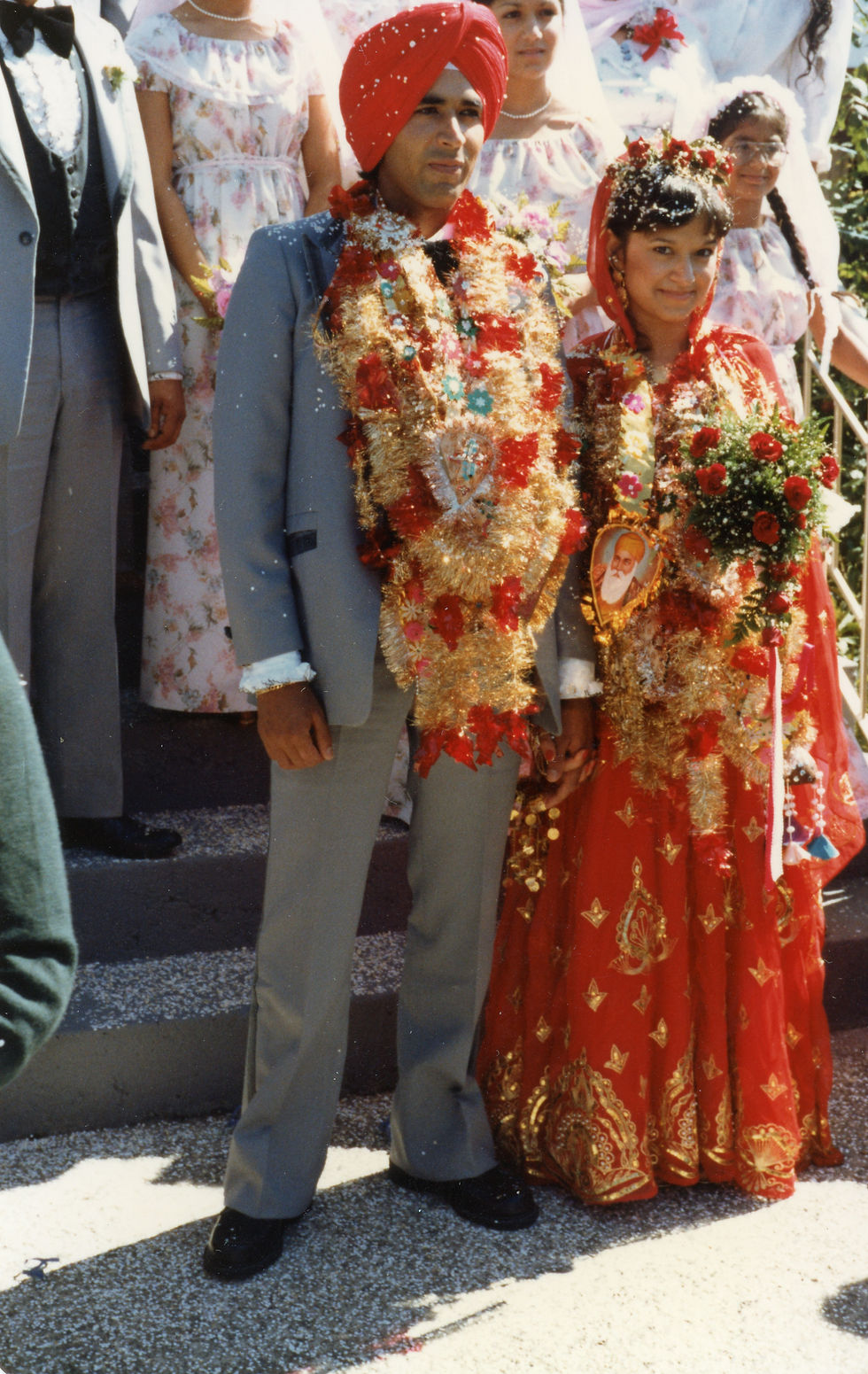


Cowichan Connections ਕਾਉਵਿਚਨ ਕਨੈਕਸ਼ਨ ਹਾਲਾਂਕਿ ਸ਼ੁਰੂਆਤੀ ਦੱਖਣੀ ਏਸ਼ੀਆਈ ਬਸਤੀ ਮੁੱਖ ਤੌਰ 'ਤੇ ਆਲੇ-ਦੁਆਲੇ ਦੀਆਂ ਮਿੱਲਾਂ ਦੇ ਕਾਰਨ ਕਾਉਵਿਚਨ ਝੀਲ ਦੇ ਆਲੇ-ਦੁਆਲੇ ਸ਼ੁਰੂ ਹੋਈ ਸੀ, ਪਰ ਪਰਿਵਾਰ ਕਾਉਵਿਚਨ ਘਾਟੀ ਵਿੱਚ ਚਲੇ ਗਏ ਅਤੇ ਕਈ ਗੁਆਂਢੀ ਕਸਬਿਆਂ ਅਤੇ ਸ਼ਹਿਰਾਂ ਵਿਚਕਾਰ ਸੰਪਰਕ ਬਣਾਇਆ। ਦੂਜੇ ਕਸਬਿਆਂ ਨਾਲ ਸੰਪਰਕ ਦਾ ਇੱਕ ਆਮ ਸਾਧਨ ਸਾਮਾਨ ਅਤੇ ਸੇਵਾਵਾਂ ਦੀ ਵਿਕਰੀ ਰਾਹੀਂ ਸੀ। ਸ਼ੁਰੂ ਵਿੱਚ, ਦੂਜੇ ਖੇਤਰਾਂ ਦੇ ਦੌਰੇ ਪਹਿਲਾਂ ਤੋਂ ਚੰਗੀ ਤਰ੍ਹਾਂ ਯੋਜਨਾਬੱਧ ਕਰਨ ਦੀ ਲੋੜ ਸੀ। ਬਾਅਦ ਵਿੱਚ, ਜਿਵੇਂ-ਜਿਵੇਂ ਕਾਰਾਂ ਅਤੇ ਬੱਸਾਂ ਆਮ ਹੋ ਗਈਆਂ, ਲੋਕ ਅਕਸਰ ਗੁਆਂਢੀਆਂ ਨੂੰ ਸ਼ਹਿਰ ਵਿੱਚ ਲਿਆਉਣ ਵਿੱਚ ਮਦਦ ਕਰਦੇ ਸਨ ਜਾਂ ਤਿਉਹਾਰਾਂ ਦੇ ਦਿਨਾਂ ਵਿੱਚ ਜਨਤਕ ਆਵਾਜਾਈ ਦਾ ਪ੍ਰਬੰਧ ਕਰਦੇ ਸਨ। ਜਦੋਂ 1980 ਦੇ ਦਹਾਕੇ ਵਿੱਚ ਲੱਕੜ ਦਾ ਉਦਯੋਗ ਹੌਲੀ ਹੋ ਗਿਆ, ਅਤੇ ਮਿੱਲਾਂ ਬੰਦ ਹੋਣ ਲੱਗੀਆਂ, ਤਾਂ ਬਹੁਤ ਸਾਰੇ ਪਰਿਵਾਰ ਜੋ ਮਿੱਲ ਮਾਲਕਾਂ ਤੋਂ ਕਿਰਾਏ 'ਤੇ ਲਏ ਘਰਾਂ ਵਿੱਚ ਰਹਿੰਦੇ ਸਨ, ਡੰਕਨ, ਵਿਕਟੋਰੀਆ, ਨਨਾਈਮੋ ਅਤੇ ਆਲੇ ਦੁਆਲੇ ਦੇ ਖੇਤਰਾਂ ਵਿੱਚ ਚਲੇ ਗਏ। ਇਹ ਉਸ ਜ਼ਮੀਨ ਦੇ ਮਾਲਕ ਹੋਣ ਦਾ ਮੌਕਾ ਸੀ ਜਿਸ 'ਤੇ ਉਹ ਰਹਿੰਦੇ ਸਨ, ਅਤੇ ਖੁੱਲ੍ਹੇ ਕਾਰੋਬਾਰਾਂ ਦਾ ਵਿਸਥਾਰ ਕਰਦੇ ਸਨ। ________________________ Although initial South Asian settlement mainly began around the Cowichan Lake due to the surrounding mills, families moved throughout the Cowichan Valley and built connections between many of the neighbouring towns and cities. One common means of connection with other towns was through the sale of goods and services. Early on, visits to other areas needed to be planned well in advance. Later, as cars and buses became more common, people would often help drive neighbours into the city or arrange for mass-transport on festival days. When the lumber industry slowed in the 1980s, and mills began shutting down, many families who lived in homes rented from mill owners moved to Duncan, Victoria, Nanaimo, and surrounding regions. This was a chance to own the land they lived on, and expand on businesses that had been opened.

Famous Faces ਮਸ਼ਹੂਰ ਚਿਹਰੇ 1912 ਵਿੱਚ ਵੈਨਕੂਵਰ ਵਿੱਚ ਜਨਮੇ, ਹਰਦਿਆਲ ਸਿੰਘ ਅਟਵਾਲ ਪਹਿਲੇ ਕੈਨੇਡੀਅਨ ਮੂਲ ਦੇ ਸਿੱਖ ਸਨ। ਜਦੋਂ ਕਿ ਉਨ੍ਹਾਂ ਦਾ ਪਰਿਵਾਰ ਬਚਪਨ ਵਿੱਚ ਅਸਥਾਈ ਤੌਰ 'ਤੇ ਭਾਰਤ ਵਾਪਸ ਚਲਾ ਗਿਆ ਸੀ, ਅਟਵਾਲ ਬਾਅਦ ਵਿੱਚ 1928 ਵਿੱਚ ਪਾਲਦੀ ਵਿੱਚ ਵਸ ਗਏ ਜਿੱਥੇ ਉਹ 25 ਸਾਲਾਂ ਲਈ ਖਾਲਸਾ ਦੀਵਾਨ ਸੋਸਾਇਟੀ ਦੇ ਪ੍ਰਧਾਨ ਰਹੇ। ਉਹ ਅਤੇ ਉਨ੍ਹਾਂ ਦਾ ਪਰਿਵਾਰ ਡੰਕਨ ਚਲੇ ਗਏ, ਜਿੱਥੇ ਉਨ੍ਹਾਂ ਨੇ ਆਪਣੀ ਬਾਕੀ ਦੀ ਜ਼ਿੰਦਗੀ ਬਤੀਤ ਕੀਤੀ। ਵੈਲੀ ਓਪਲ, ਬੀਸੀ ਦੇ ਸਾਬਕਾ ਅਟਾਰਨੀ ਜਨਰਲ, ਲੇਕ ਕਾਉਵਿਚਨ ਵਿੱਚ ਵੱਡੇ ਹੋਏ ਜਦੋਂ ਕਿ ਉਨ੍ਹਾਂ ਦੇ ਪਿਤਾ ਨੇ ਥੋੜ੍ਹੇ ਸਮੇਂ ਲਈ ਇਲਾਕੇ ਵਿੱਚ ਇੱਕ ਮਿੱਲ ਦਾ ਸਹਿ-ਮਾਲਕੀਅਤ ਕੀਤਾ। ਉਨ੍ਹਾਂ ਦੇ ਪਿਤਾ ਦੇ ਦੇਹਾਂਤ ਤੋਂ ਬਾਅਦ, ਓਪਲ ਡੰਕਨ ਚਲੇ ਗਏ, ਹਾਲਾਂਕਿ ਵੈਲੀ ਨੇ ਗ੍ਰੈਜੂਏਟ ਹੋਣ ਅਤੇ ਯੂਬੀਸੀ ਵਿੱਚ ਆਪਣੀ ਸਿੱਖਿਆ ਜਾਰੀ ਰੱਖਣ ਤੋਂ ਪਹਿਲਾਂ ਲੇਕ ਕਾਉਵਿਚਨ ਸੈਕੰਡਰੀ ਸਕੂਲ ਵਿੱਚ ਪੜ੍ਹਾਈ ਜਾਰੀ ਰੱਖੀ। ਬੀਸੀ ਐਨਡੀਪੀ ਦੇ ਸਾਬਕਾ ਪ੍ਰਧਾਨ ਮੋ ਸਿਹੋਟਾ ਵੀ ਇੱਕ ਮੁੰਡੇ ਦੇ ਰੂਪ ਵਿੱਚ ਲੇਕ ਕਾਉਵਿਚਨ ਵਿੱਚ ਰਹਿੰਦੇ ਸਨ, ਉਸ ਸਮੇਂ ਦੌਰਾਨ ਜਦੋਂ ਉਨ੍ਹਾਂ ਦੇ ਪਿਤਾ ਮੇਸਾਚੀ ਲੇਕ ਮਿੱਲ ਵਿੱਚ ਕੰਮ ਕਰਦੇ ਸਨ। ਸਿਹੋਟਾ ਪਰਿਵਾਰ ਦੇ ਹੋਰ ਮੈਂਬਰ ਵੀ ਇਲਾਕੇ ਦੀਆਂ ਕਈ ਮਿੱਲਾਂ ਵਿੱਚ ਨੌਕਰੀ ਕਰਦੇ ਸਨ। ________________________ Born in Vancouver in 1912, Hardial Singh Atwal was the first Canadian-born Sikh. While his family temporarily moved back to India during his childhood, Atwal later settled in Paldi in 1928 where he was president of its Khalsa Diwan Society for 25 years. He and his family moved to Duncan, where he lived the rest of his life. Wally Oppal, BC’s former Attorney General, grew up in Lake Cowichan while his father briefly co-owned a mill in the area. After his father’s passing, the Oppals moved to Duncan, although Wally continued to attend Lake Cowichan Secondary School before graduating and continuing his education at UBC. Former President of the BC NDP Moe Sihota also lived in Lake Cowichan as a boy, during the time that his father worked at the Mesachie Lake mill. Other members of the Sihota family were also employed by a number of mills in the area.

The Town of Paldi ਪਾਲਦੀ ਸ਼ਹਿਰ 1917 ਵਿੱਚ ਡੰਕਨ ਅਤੇ ਝੀਲ ਕਾਉਵਿਚਨ ਦੇ ਵਿਚਕਾਰ ਸਥਾਪਿਤ, ਪਾਲਦੀ ਇੱਕ ਛੋਟਾ ਪਰ ਹਲਚਲ ਵਾਲਾ ਸ਼ਹਿਰ ਸੀ ਜੋ ਮਾਇਓ ਸਿੰਘ ਦੀ ਮਲਕੀਅਤ ਵਾਲੀ ਲੱਕੜ ਮਿੱਲ ਦੇ ਆਲੇ-ਦੁਆਲੇ ਬਣਿਆ ਸੀ। ਬੰਕਹਾਊਸਾਂ ਦੇ ਇੱਕ ਭਾਈਚਾਰੇ ਵਜੋਂ ਸ਼ੁਰੂਆਤ ਹੋਈ, ਕਿਉਂਕਿ ਪਰਿਵਾਰ ਇੱਥੇ ਆ ਗਏ ਅਤੇ ਕਾਰੋਬਾਰ ਬਣਾਏ ਗਏ। ਪਾਲਦੀ ਨੂੰ ਉਸੇ ਸਮੇਂ ਦੌਰਾਨ ਬੀ.ਸੀ. ਦੇ ਹੋਰ ਕਸਬਿਆਂ ਵਿੱਚ ਮਹਿਸੂਸ ਕੀਤੇ ਜਾਣ ਵਾਲੇ ਨਸਲੀ ਵਿਤਕਰੇ ਤੋਂ ਮੁਕਤ ਹੋਣ ਲਈ ਜਾਣਿਆ ਜਾਂਦਾ ਸੀ। ਇਸਦੀ ਖੁੱਲ੍ਹੀ-ਡੌਰ ਨੀਤੀ ਨੇ ਇੱਕ ਅਜਿਹਾ ਮਾਹੌਲ ਪ੍ਰਦਾਨ ਕੀਤਾ ਜਿੱਥੇ ਬੱਚੇ ਆਪਣੇ ਦੱਖਣੀ ਏਸ਼ੀਆਈ, ਚੀਨੀ, ਜਾਪਾਨੀ ਅਤੇ ਗੋਰੇ ਗੁਆਂਢੀਆਂ ਦੁਆਰਾ ਪੇਸ਼ ਕੀਤੀਆਂ ਗਈਆਂ ਸਭਿਆਚਾਰਾਂ ਦੀ ਇੱਕ ਸ਼੍ਰੇਣੀ ਵਿੱਚ ਵੱਡੇ ਹੋਏ। ਜਿਵੇਂ ਹੀ ਲੱਕੜ ਦਾ ਕਾਰੋਬਾਰ ਖਤਮ ਹੋਇਆ ਅਤੇ ਅੱਗ ਕਾਰਨ ਮੇਓ ਦੀ ਮਿੱਲ ਬੰਦ ਹੋ ਗਈ, ਪਾਲਦੀ 1980 ਦੇ ਦਹਾਕੇ ਤੱਕ ਇੱਕ ਭੂਤ ਸ਼ਹਿਰ ਬਣ ਗਿਆ, ਅਤੇ ਅੰਤ ਵਿੱਚ ਸੁਰੱਖਿਆ ਚਿੰਤਾਵਾਂ ਕਾਰਨ ਢਾਹ ਦਿੱਤਾ ਗਿਆ। ਪਾਲਦੀ ਦਾ ਗੁਰਦੁਆਰਾ ਹੁਣ ਸਭ ਕੁਝ ਬਚਿਆ ਹੈ, ਪਰ ਸਾਬਕਾ ਨਿਵਾਸੀ ਅਜੇ ਵੀ ਆਉਂਦੇ ਹਨ ਅਤੇ ਪਿਆਰ ਨਾਲ ਯਾਦ ਕਰਦੇ ਹਨ ਕਿ ਇਹ ਸ਼ਹਿਰ ਇੱਕ "ਵੱਡੇ ਪਰਿਵਾਰ" ਵਾਂਗ ਕਿਵੇਂ ਮਹਿਸੂਸ ਹੁੰਦਾ ਸੀ। ________________________ Founded between Duncan and Lake Cowichan in 1917, Paldi was a small but bustling town built around the lumber mill owned by Mayo Singh. What began as bunkhouses became a community, as families moved in and businesses were built. Paldi was known for being free from the racial discrimination felt in other towns in BC during the same period. Its open-door policy provided an environment where children grew up surrounded by the range of cultures presented by their South Asian, Chinese, Japanese, and White neighbours. As the lumber boom ended and Mayo’s mill closed due to a fire, Paldi became a ghost town by the 1980s, and was eventually razed because of safety concerns. Paldi’s gurdwara is now all that remains, but former residents still visit and fondly recall how the town felt like a “big family.”

Leaving a Legacy ਆਪਣਾ ਨਿਸ਼ਾਨ ਛੱਡਣਾ ਕਾਉਵਿਚਨ ਝੀਲ ਦੇ ਭਾਈਚਾਰਿਆਂ ਵਿੱਚ ਦੱਖਣੀ ਏਸ਼ੀਆਈ ਕੈਨੇਡੀਅਨ ਇਤਿਹਾਸ ਸਾਡੇ ਸਾਰੇ ਕਸਬਿਆਂ ਵਿੱਚ ਪਾਇਆ ਜਾ ਸਕਦਾ ਹੈ, ਜਿਵੇਂ ਕਿ ਝੀਲ ਕਾਉਵਿਚਨ ਦੇ ਜੋਗਿੰਦਰ ਬੈਂਸ ਪਾਰਕ ਵਿੱਚ - ਉਸਦੀ ਮਿੱਲ ਦੇ ਪੁਰਾਣੇ ਸਥਾਨ 'ਤੇ ਇੱਕ ਰਜਿਸਟਰਡ ਇਤਿਹਾਸਕ ਸਥਾਨ, ਉਸਦੇ ਕੰਮ ਅਤੇ ਯੋਗਦਾਨ ਦਾ ਸਨਮਾਨ ਕਰਦਾ ਹੈ। ਜੋਹੇਲ ਰੋਡ, ਬੇਰਾਰ ਰੋਡ, ਨਟਾਰਾ ਪੀਐਲਸੀ, ਅਤੇ ਸਾਲ ਰੋਡ ਕੁਝ ਗਲੀਆਂ ਹਨ ਜਿਨ੍ਹਾਂ ਦੇ ਨਾਮ ਦੱਖਣੀ ਏਸ਼ੀਆਈ ਪਰਿਵਾਰਾਂ ਦੇ ਨਾਮ 'ਤੇ ਰੱਖੇ ਗਏ ਹਨ ਜਿਨ੍ਹਾਂ ਨੇ ਝੀਲ ਕਾਉਵਿਚਨ ਸ਼ਹਿਰ ਦੀ ਸਥਾਪਨਾ ਵਿੱਚ ਮਦਦ ਕੀਤੀ ਸੀ। ਡੰਕਨ ਵੱਲ, ਕਪੂਰ ਰੋਡ, ਰਣਜੀਤ ਰੋਡ, ਅਤੇ ਬਿਸ਼ਨ ਰੋਡ, ਇਹ ਸਾਰੀਆਂ ਉਨ੍ਹਾਂ ਪਰਿਵਾਰਾਂ ਦੀ ਯਾਦ ਦਿਵਾਉਂਦੇ ਹਨ ਜੋ ਪਾਲਦੀ ਸ਼ਹਿਰ ਵਿੱਚ ਰਹਿੰਦੇ ਸਨ (ਜਿਸ ਵਿੱਚ ਖੁਦ ਇਸਦੇ ਨਾਮ ਨੂੰ ਸਮਰਪਿਤ ਇੱਕ ਸੜਕ ਹੈ)। ਦੱਖਣੀ ਏਸ਼ੀਆਈ ਪ੍ਰਵਾਸੀਆਂ ਵਿਚਕਾਰ ਨੈੱਟਵਰਕ ਲੰਬੇ ਸਮੇਂ ਤੋਂ ਵਿਰਾਸਤ ਦੀ ਸੰਭਾਲ ਲਈ ਮਹੱਤਵਪੂਰਨ ਰਹੇ ਹਨ। ਉਦਾਹਰਣ ਵਜੋਂ, ਜਦੋਂ ਹਿਲਕ੍ਰੈਸਟ ਮਿੱਲ ਬੰਦ ਹੋ ਗਈ ਅਤੇ ਇਸਦਾ ਗੁਰਦੁਆਰਾ ਢਾਹ ਦਿੱਤਾ ਗਿਆ, ਤਾਂ ਖੇਤਰ ਦੇ ਸਿੱਖ ਭਾਈਚਾਰੇ ਨੇ ਇਸਦੀ ਸਮੱਗਰੀ ਅਤੇ ਸਮੱਗਰੀ ਨੂੰ ਸੁਰੱਖਿਅਤ ਰੱਖਿਆ ਅਤੇ 1968 ਵਿੱਚ ਇੱਕ ਨਵਾਂ ਗੁਰਦੁਆਰਾ ਬਣਾਉਣ ਲਈ ਉਹਨਾਂ ਦੀ ਵਰਤੋਂ ਕੀਤੀ, ਜੋ ਅਜੇ ਵੀ ਬਾਉਂਡਰੀ ਰੋਡ 'ਤੇ ਸਥਿਤ ਹੈ। ________________________ South Asian Canadian history in Cowichan Lake communities can be found across our towns, such as in Lake Cowichan’s Jogindar Bains Park—a registered Historical Site at the former location of his mill, honouring his work and contributions. Johel Rd., Berar Rd., Natara Plc., and Sall Rd. are just a few of the streets named for South Asian families who helped to establish the town of Lake Cowichan. Towards Duncan, Kapoor Rd., Ranjit Rd., and Bishan Rd. are all reminders of the families who lived in the town of Paldi (which itself has a road dedicated to its name). Networks between South Asian immigrants have long been crucial to heritage preservation. For example, when the Hillcrest mill closed and its gurdwara was dismantled, the area’s Sikh community preserved its contents and materials and used them to build a new gurdwara in 1968, still located at Boundary Rd.